
Japanese fashion has been influenced by many different styles. Nowadays there are uncountable "trends" we could name, some based on more classic styles, others on their fabulous artist's work the unique. Here's a brief summary of Japan's unique Fashion:
Classic:Kimono: The kimono, is the most traditional wear of Japanese men and women.

Illustration: Traditional Japanese dancer kimono.

Geisha Kimono: Geisha means "person of the arts", they were very common in the 18th and 19th century. There are still some until today, but in a significantly smaller number. The Geisha tradition involved the Taikomochi or Hokan , which were similar to court jesters. Poor children were often bought by Geisha houses, which provided them with shelter and trained them. Most Geisha are traditionally women apart from the Taikomochi. This ancient tradition still exists in Japan. The master takes the pupil into their home for training, which can take years and years. The pupil will then have the right to become master at their own time. Geisha are no long bought though. It's a voluntary decision and most of them start their training now at their late teens. Throught history there have been rumors of Geisha being Prostitute, are Geisha prostitute? The tradition itself is about the geisha entertaining men in determined events, closed spaces, tea houses and such. Some young women during the war did in desperate sell themselves to soldier, shadowing their image. Later Japanese prostitutes chose to dress themselves and Geisha bringing about more confusion. So Geisha are not traditionally prostitutes but they may choose to "please" their patron.

The yukata, is a less formal kimono worn usually during the spring and the summer. They usually are bright colors and floral designs.

Houmongi: Is worn by married women in formal occasions.

Furisode: Is a formal wear for single girls over 20 (usually). Traditionally parents give their daughters a Furisode on their 20th birthday. It's a sort of an "advertisement" to society that a single woman is available for marriage. The main difference to this design are the sleeves which go right to the ground. These kimonos are pretty expensive, depending on the material, and details it can cost around $10,000.
Kogal:
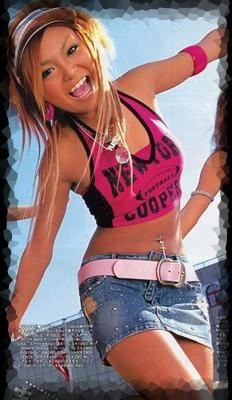
Japanese street Fashion, receives a lot of influence from Californian girls. Kogals are not to be confused with the ganguro subculture, although they are similar.

This style mainly consists in showing your taste for fashion, music and such.

Ganguru:
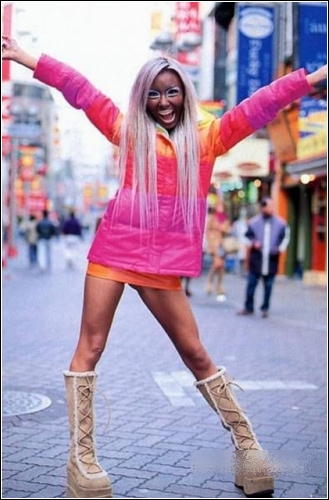
Ganguru means "black face", gained popularity in late 1999 and has become very popular since then.

The basics for the canguru style is: Bleached hair, deep tanned skin, black and white eyeliners, fake lashes, high platforms (sandals are boots usually), lots of acessories, bright colored outfits, mini skirts. Each ganguru girls adds her own touch to her style of course.

Lolita:
This trend had many different sub styles which will be covered in the next post:

This can be compared to a cute classic doll look.

Cosplay:
Or Costume play, is actually dressing up as anything such as a character from an anime or a pop band, rock singer.

We'll have a special post on cosplay!
Harajuku:
This style can't be defined it's not a fashion trend but rather, many trends that are worn aroung the Harajuku station in Tokyo. This station is popular among young people, you can find famos stores at this station.

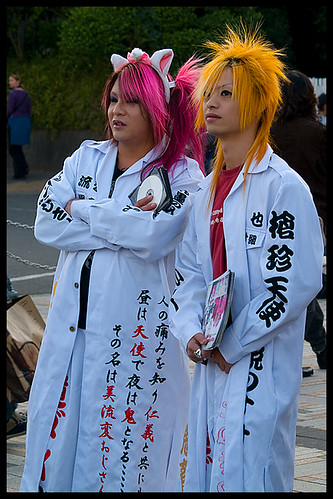

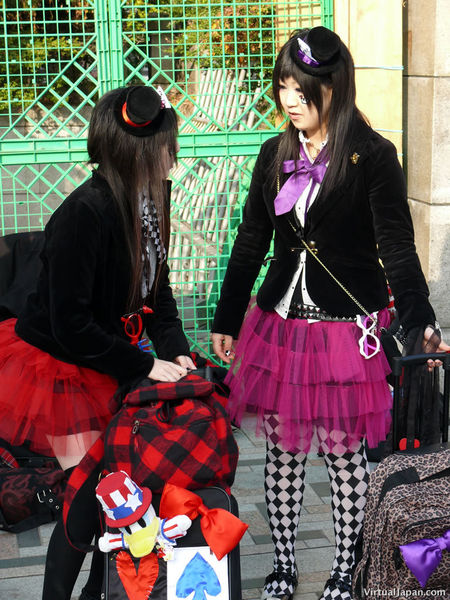
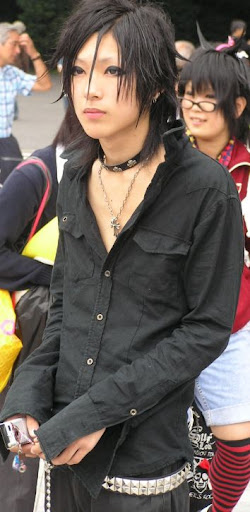
These are only a few of the many examples of japanese Street and classic fashion.

0 comments:
Post a Comment